
03-5362-5396relo@sumainoseika.comMon-Fri 10:00-19:00 (JST)

City guides for living in Japan

Where should you live? Compare the main cities by rent, transport, schools and lifestyle.

Nagoya Akita Aomori Chiba Ehime Fukui Fukuoka Fukushima Gifu Gunma Kobe Sapporo Hiroshima Ibaraki Ishikawa Iwate Kochi Kagawa Kumamoto Yokohama Kagoshima Kyoto Mie Miyagi Miyazaki Niigata Nagano Nara Nagasaki Okinawa Osaka Okayama Oita Saga Shiga Shimane Saitama Shizuoka Tochigi Tokyo Tokushima Tottori Toyama Wakayama Yamaguchi Yamanashi Yamagata

City briefs: what to know before you choose

A short guide to each city: who it suits, the best areas, transport, schools and our tips.

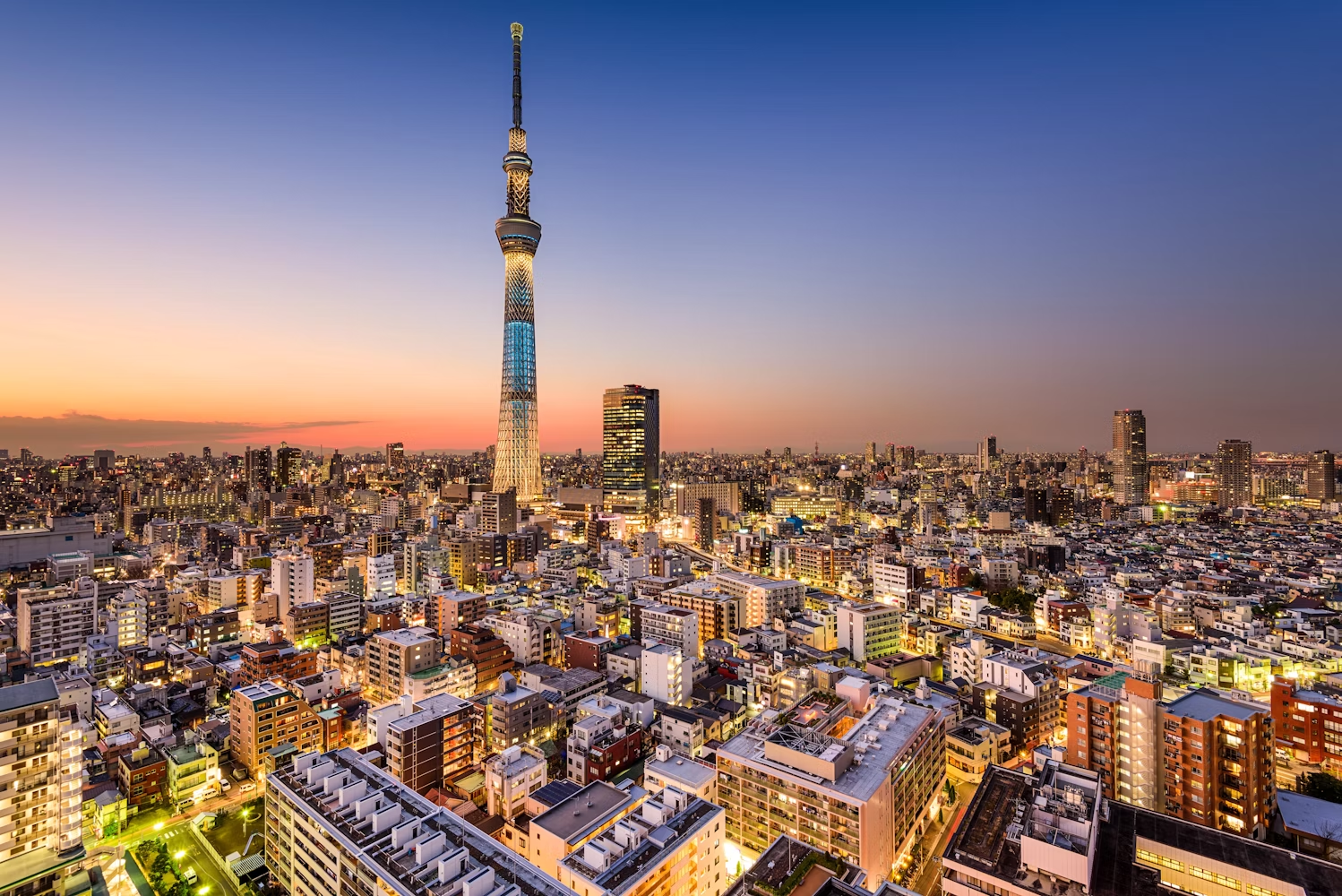
Tokyo Kanto · 14M

Asia's business capital, with the widest choice of homes, jobs and international life

Tokyo is where most foreign residents start. It has the largest number of international companies, embassies, international schools and English-friendly services, and the world's most extensive rail network means you can live far from your office and still commute easily.

Rents are the highest in Japan, but the range is wide: a compact 1K in the outer wards costs far less than a family apartment in Minato or Shibuya. Choosing the right line and station matters more than the exact ward.

Best areas to live

  • Shinjuku & Yotsuya: Central, with direct lines everywhere, lots of shops and restaurants, and our own office nearby.
  • Minato (Azabu, Roppongi): The classic expat district: embassies, international schools and English-speaking clinics. Premium rents.
  • Shibuya & Meguro: Popular with young professionals and tech workers; relaxed residential streets just minutes from the centre.
  • Koto & Toyosu: Waterfront towers, newer buildings and family-friendly facilities, with good access to the Marunouchi and Yurakucho areas.
  • Nerima & Itabashi: Quiet and budget-friendly, with larger rooms for the money; a good fit if you commute by direct line.

Getting around

Two airports (Haneda, close to the city, and Narita), the Yamanote Line loop, 13 subway lines and the Shinkansen from Tokyo and Shinagawa stations.

International schools

American School in Japan, British School in Tokyo, Tokyo International School, K. International School Tokyo

Our tips

  • Pick the station first: a 10-minute walk from a direct line is worth more than a larger room far away.
  • Newer buildings with auto-lock and a delivery box are common and worth the extra rent.

Osaka Kansai · 2.7M

Japan's commercial heart: lively, friendly and noticeably cheaper than Tokyo

Osaka is the centre of Kansai and Japan's second business hub. It is known for its food, its warm and direct people, and a lower cost of living than Tokyo, while still offering major-city jobs, shopping and international flights.

Kita (Umeda) and Minami (Namba) are the two city centres. Most people choose a home on the Midosuji, Tanimachi or JR Loop lines, which put both within easy reach.

Best areas to live

  • Umeda / Kita: The northern business and shopping district, with Osaka Station and many offices.
  • Namba / Minami: Entertainment, food and nightlife, with direct access to Kansai Airport.
  • Tennoji: Practical and well connected, with a big station, parks and good value rents.
  • Kyobashi & Tenma: Lively local streets and shopping arcades, with fast access to Umeda.

Getting around

Shin-Osaka for the Shinkansen, Kansai International and Itami airports, and a dense subway and JR network.

International schools

Osaka International School, Canadian Academy (Kobe), Osaka YMCA International School

Our tips

  • Rents a few stops from Umeda or Namba drop quickly; ask for stations on the Midosuji Line.
  • Kyoto and Kobe are about 30 minutes away, so Osaka works well as a base.

Kyoto Kansai · 1.4M

Japan's cultural capital: universities, traditional streets and a calm, walkable life

Kyoto is home to temples, traditional streets, craft industries and many universities, which gives it a young and international feel despite its historic image. The city is compact: much of daily life is possible on foot or by bicycle.

Buildings are lower because of height rules, and older houses (machiya) are popular but have their own quirks. For convenience, look at modern apartments near a subway or Hankyu/Keihan station.

Best areas to live

  • Nakagyo & Shimogyo: The centre: Kyoto Station, shopping, offices and the best transport.
  • Sakyo: Universities, the Philosopher's Path and a quiet, green atmosphere.
  • Kita (Kita-ku): Residential and relaxed, close to Kyoto University areas and the northern temples.
  • Fushimi: Good value rents and easy access to both Kyoto and Osaka.

Getting around

Kyoto Station on the Shinkansen (about 30 minutes to Osaka by JR rapid service), two subway lines, buses and a very bicycle-friendly layout.

International schools

Kyoto International School, Doshisha International School

Our tips

  • Heating and cooling in older buildings can be costly; check the insulation and the type of heating.
  • Many students look for rooms in spring; start searching early.

Yokohama Kanagawa · 3.7M

A port city with a relaxed seaside feel, 30 minutes from central Tokyo

Yokohama is Japan's second-largest city, with a harbour, Chinatown and an international history that goes back to the 1850s. It feels more spacious than Tokyo, and a comfortable commute to central Tokyo is possible by the Tokyu Toyoko, JR Keihin-Tohoku or Minatomirai lines.

It is a good choice for families who want more space, parks and a calmer pace while staying connected to Tokyo.

Best areas to live

  • Minatomirai & Kannai: Modern waterfront buildings, offices and shopping; the city's main business area.
  • Motomachi & Yamate: Historic foreign-resident area with international schools and quiet residential streets.
  • Kohoku (Shin-Yokohama): Shinkansen access and newer family housing.
  • Kikuna & Tsunashima: Good value on the Tokyu Toyoko line with fast trains to Shibuya.

Getting around

Haneda Airport is about 30 minutes away, Shin-Yokohama has the Shinkansen, and several JR and private lines run to Tokyo.

International schools

Yokohama International School, Saint Maur International School

Our tips

  • Compare the total commute, not only the rent: Toyoko-line stations are popular for a reason.
  • Some bayside areas are windy and humid; ask about ventilation.

Nagoya Chubu · 2.3M

An industrial powerhouse with big rooms, easy driving and some of Japan's best-value rents

Nagoya is the centre of Japan's manufacturing heartland, and the home of the automotive industry. It is a practical city with wide roads, a clear grid layout and lower rents than Tokyo or Osaka, so you get more space for your money.

It sits halfway between Tokyo and Osaka on the Shinkansen (about 100 minutes to Tokyo), which makes both easily reachable for weekends.

Best areas to live

  • Sakae: The main shopping and entertainment district, in the middle of the city.
  • Meieki (Nagoya Station): Offices, the Shinkansen and department stores; the business centre.
  • Fushimi & Marunouchi: Business area with offices and older, quieter residential pockets nearby.
  • Kanayama: A transport hub for JR, Meitetsu and the subway, with good-value apartments.

Getting around

Chubu Centrair Airport is about 30 minutes by train. Many residents also drive, and parking is easier to find than in Tokyo.

International schools

Nagoya International School

Our tips

  • If you drive, ask whether parking is included; it is often a separate monthly fee.
  • Summers are hot and humid and winters are windy: check the air conditioning and heating.

Fukuoka Kyushu · 1.6M

A compact, friendly city with an airport 10 minutes from downtown and a gateway to Asia

Fukuoka is a favourite for people who want a big-city life without the crowds: great food, beaches and mountains nearby, and the airport only minutes from the centre. It is known for its startup support and a young population.

Closer to Seoul and Shanghai than to Tokyo, it is also a convenient base for travel in Asia.

Best areas to live

  • Tenjin: The main downtown area: shopping, restaurants and subway hubs.
  • Hakata: Hakata Station for the Shinkansen and the airport line; offices and hotels.
  • Daimyo & Ohori: Stylish cafés near Ohori Park, popular with young professionals.
  • Nishijin & Fujisaki: Convenient for beaches and a university area, with calm residential streets.

Getting around

Fukuoka Airport is about 5 minutes from Hakata by subway. The Shinkansen reaches Osaka in about 2.5 hours.

International schools

Fukuoka International School

Our tips

  • The subway covers the main areas, and many people live without a car.
  • Typhoon season (late summer): check floor level and the building's condition.

Sapporo Hokkaido · 2.0M

Hokkaido's big, orderly city: snow, space and Japan's lowest big-city rents

Sapporo is a planned, easy-to-navigate city with wide streets, big parks and a strong food culture. Rents are the lowest of the major cities, and apartments are often larger and well insulated.

Winters are long and snowy, so a good heating system and a building close to a subway station matter more than anywhere else.

Best areas to live

  • Odori & Susukino: The centre: Odori Park, shopping and nightlife.
  • Sapporo Station: Offices, department stores and connections to the airport.
  • Maruyama & Nishi 28: A calm, popular residential area with parks and cafés.
  • Kita (Kita-ku) & Higashi: Value-for-money rents and subway access.

Getting around

New Chitose Airport is about 40 minutes by train. Three subway lines and a connected underground walkway keep winter commuting comfortable.

International schools

Hokkaido International School

Our tips

  • Heating costs can be high; ask for the previous winter's utility costs and the heating type.
  • Choose a building with a heated entrance or close to the subway for winter.

Kobe Kansai · 1.5M

An international port city between mountains and sea, 30 minutes from Osaka

Kobe is one of Japan's most international cities, with a long history of foreign residents, European-style streets and a beautiful setting between the Rokko mountains and the sea. It is compact, safe and stylish.

Commuting to Osaka takes about 20 to 30 minutes by JR, Hankyu or Hanshin, so many people live in Kobe and work in Osaka.

Best areas to live

  • Sannomiya: The city centre: shops, restaurants and direct trains to Osaka.
  • Kitano: Historic foreign-residence district on the hillside, with a quiet, European feel.
  • Port Island & Rokko Island: Planned island communities with newer buildings, schools and parks; Canadian Academy is on Rokko Island.
  • Shin-Kobe: The Shinkansen station and a quiet area on the slope of the mountains.

Getting around

Kobe Airport serves domestic flights and Kansai International is about an hour away. Sannomiya is the main hub for JR, Hankyu and Hanshin.

International schools

Canadian Academy, Marist Brothers International School, Deutsche Schule Kobe

Our tips

  • Hillside homes have great views but many stairs; check the walk from the station.
  • Kobe's flat areas near Sannomiya are the easiest for daily life without a car.

Compare typical monthly rents

City1K1LDK2LDK
Tokyo¥85,000 - ¥120,000¥130,000 - ¥200,000¥180,000 - ¥300,000
Osaka¥60,000 - ¥85,000¥90,000 - ¥140,000¥120,000 - ¥200,000
Kyoto¥55,000 - ¥80,000¥80,000 - ¥130,000¥110,000 - ¥180,000
Yokohama¥65,000 - ¥90,000¥100,000 - ¥150,000¥140,000 - ¥220,000
Nagoya¥50,000 - ¥70,000¥75,000 - ¥110,000¥100,000 - ¥160,000
Fukuoka¥50,000 - ¥70,000¥75,000 - ¥115,000¥100,000 - ¥170,000
Sapporo¥40,000 - ¥55,000¥55,000 - ¥85,000¥75,000 - ¥120,000
Kobe¥50,000 - ¥70,000¥75,000 - ¥115,000¥100,000 - ¥160,000

Indicative ranges for a modern room near a station. Use the cost of living estimator for a full monthly budget. Open the estimator

Ready to start your move to Japan?

Tell us about your plans. The first consultation is free, and we reply within 24 hours on business days.

Call Free quote